Don't Buy Until You Read This: Benq Pd3226G vs Kindle Scribe Colorsoft 2025
Introduction
Choosing between a high-end creative monitor and a color e-ink note-taking tablet is not an obvious decision — yet many shoppers find themselves comparing devices that solve very different problems. This article examines two featured products: the BenQ PD3226G, a 32-inch designer-focused monitor, and the Kindle Scribe Colorsoft (2025), an e-ink tablet optimized for reading and handwriting in color. Rather than declare a winner outright, the goal is to lay out what each device is built to do, how they perform in real-world workflows, the trade-offs buyers typically care about, and which types of users will get the most value from each. The analysis covers ergonomics, color and display behavior, connectivity, software and ecosystem, daily workflows, and long-term ownership considerations.
BenQ PD3226G — Detailed Review and Analysis
What it is and who it’s for
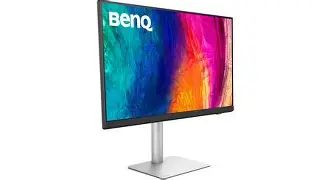
The BenQ PD3226G is positioned as a professional creative monitor intended for designers, photographers, video editors, and anyone who needs a large, accurate workspace. It targets users who prioritize color fidelity, screen real estate for multi-window workflows, and reliable desktop connectivity. As a desktop display, it assumes a tether to a PC or laptop and complements — rather than replaces — portability devices.
Design, ergonomics, and connectivity
In daily use, the BenQ’s size and adjustability matter. A 31–32 inch screen offers a generous canvas for full-resolution timelines, reference images, and simultaneous tool palettes. Buyers typically care about height adjustment, swivel, tilt, and pivot; a good monitor stand and VESA support make it easier to integrate into ergonomic desks and multi-monitor setups.
Connectivity is another practical concern. For creative studios, a monitor that provides DisplayPort, HDMI, and at least one USB-C with power delivery and upstream/downstream USB ports makes laptop docking simpler. Users who rely on color-managed workflows also value a monitor that supports hardware calibration or ships factory-calibrated for common color spaces.
Color performance and calibration
Accurate, repeatable color is central to the PD line’s appeal. Professionals working with print, web, or video care about gamut coverage (sRGB, DCI-P3, Adobe RGB) and consistency across the panel. A monitor that reports factory calibration and offers presets for Rec.709 or DCI profiles saves time during client work and reduces guesswork when proofing or soft-proofing deliverables.
Real-world performance and workflows
In practical scenarios, the BenQ shines when an image editor needs to compare several photos side-by-side at 100% zoom, when a motion editor needs a full-resolution preview alongside the timeline, or when a designer needs to keep layout artboards and browser previews visible simultaneously. The large screen mitigates window switching and can improve productivity for multi-app workflows.
However, a heavy, high-resolution desktop monitor is stationary by design. It’s ideal for a home studio or office but not for travel. Buyers adding it to a laptop setup should confirm USB-C power delivery levels and hub features to avoid duplicating adapters.
Pros & Cons
- Pros
- Large workspace that improves multitasking and full-resolution review.
- Designed for color-critical work — useful for photographers and designers.
- Robust connectivity and ergonomic adjustability for desktop setups.
- Good factory calibration and color presets reduce setup time.
- Cons
- Stationary — not intended for portability.
- Requires a powerful host device for 4K workflows and video editing.
- Higher upfront cost than typical consumer monitors.
- Large footprint requires desk space and careful ergonomics to avoid neck strain.
Kindle Scribe Colorsoft (2025) — Detailed Review and Analysis
What it is and who it’s for
The Kindle Scribe Colorsoft (2025) is positioned as a reading-first, handwriting-capable color e-ink tablet. It aims at users who prioritize long battery life, low-eye-strain reading, portable annotation, and a dedicated place to capture ideas. Buyers typically include students, researchers, frequent readers, and professionals who annotate documents or sketch concepts while remaining untethered to a laptop.
Shop the latest Laptops & Computers picks on Amazon.
Browse Now →Design, ergonomics, and input
Color e-ink devices trade refresh speed and vibrant backlit color for paper-like comfort and extended battery life. The Scribe’s pen experience and the feel of notes matter for day-to-day satisfaction: latency, tilt support, pressure sensitivity, and the software’s ability to organize, export, and search handwriting make a big difference. A lightweight chassis and a comfortable grip are also practical concerns for long reading or note-taking sessions.
Software, ecosystem, and document handling
Software defines much of the Scribe’s value. Users expect reliable PDF handling, margin notes, and the ability to sync or export notes to common formats. An ecosystem that recognizes handwritten content (OCR), organizes notebooks, and supports easy backups is important for students and professionals who rely on searchable notes. Buyers also care about file compatibility with the rest of their toolchain and the vendor’s update cadence for improving annotation features.
Real-world performance and workflows
For users who read long-form books, annotate research papers, or sketch wireframes in meetings, an e-ink tablet provides a distraction-free surface that a laptop or color monitor cannot match. Its long battery life and legibility in bright daylight make it particularly suited for travel and fieldwork. However, color e-ink cannot match OLED/LCD displays for motion, gaming, or vivid multimedia consumption; buyers who want a multimedia device should weigh that trade-off.
Pros & Cons
- Pros
- Paper-like reading and annotation experience with long battery life.
- Portable and distraction-minimizing for focused reading and note-taking.
- Color e-ink expands use cases for diagrams, color-coded notes, and lightweight illustrations.
- Often integrates with cloud note systems and basic export options.
- Cons
- Limited multimedia and web browsing capabilities compared to full tablets or monitors.
- Color e-ink has lower saturation and slower refresh than emissive displays.
- Annotation features and file export workflows vary by vendor and may lock notes into proprietary formats unless exported.
- Smaller canvas than a desktop monitor — not suitable for full-scale layout, video editing, or multi-window desktop work.
Side-by-Side Comparison
The following table compares key decision factors that buyers typically consider. Use it as a quick reference after reading the deeper sections above.

| Category | BenQ PD3226G | Kindle Scribe Colorsoft (2025) |
|---|---|---|
| Primary purpose | Color-critical desktop workflows, photo/video editing, design | Reading, note-taking, annotation, lightweight sketching |
| Display type | Large IPS (desktop emissive panel) with high resolution | Color e-ink (reflective), paper-like readability |
| Portability | Stationary — intended for desk use | Highly portable — tablet form factor |
| Color & accuracy | Designed for accurate color and calibration | Color for diagrams/notes; not for color-critical proofing |
| Input | Keyboard/mouse; pen not native (unless via connected device) | Included or optional pen for handwriting/annotation |
| Battery life | Dependent on host device (monitor has no battery) | Days to weeks of reading/annotation on a single charge |
| Best for | Designers, photographers, video editors, multitaskers | Students, researchers, casual artists, frequent readers |
| Limitations | Not portable; can be expensive for the budget-conscious | Not suitable for color-critical editing or heavy multitasking |
Buying Guide: Which One Should You Choose?
To decide, buyers should first clarify primary use cases and the environment in which the device will be used. The following checklist and guidance map common priorities to the product that most closely matches them.
Checklist: Ask these before buying
- Will the device replace or complement a laptop/desktop? (Complement = monitor; replace = e-ink tablet for reading/notes)
- Is color accuracy essential for professional deliverables? (Yes = monitor)
- Do you need extreme portability and battery life? (Yes = e-ink tablet)
- Do you annotate a lot of PDFs, mark up manuscripts, or take handwritten notes? (Yes = e-ink tablet)
- Will the device be used for multimedia, gaming, or motion-intense work? (Yes = monitor)
- Is a distraction-minimizing, focus-first environment important? (Yes = e-ink tablet)
Recommendations by user type
Professional creatives (photographers, colorists, video editors)
A monitor like the BenQ PD3226G is the natural choice. Its large surface area, color presets, and calibration tools are designed to support client-facing work. Verify connectivity and calibration workflow compatibility with the rest of the studio equipment.
Students and researchers
The Kindle Scribe Colorsoft provides a natural reading and annotation experience for textbooks, PDFs, and lecture notes. Its long battery life and comfortable display reduce eye fatigue during long study sessions. Confirm that the Scribe’s export and organization features fit the user’s note management preferences.
Find top-rated Laptops & Computers products at great prices.
Browse Now →Hybrid knowledge workers
Those who split time between content creation and heavy reading might benefit from both devices: a BenQ at the desk for editing and a Colorsoft for reading and portable note-taking. If constrained to one device, consider which activity is most central to daily work: hands-on content creation (monitor) or continuous reading/annotation (e-ink).
Frequent travelers
The e-ink device is better for travel due to low power consumption and readable outdoor screens. A portable laptop paired with cloud notes or synchronized exports from the e-ink tablet often provides the most flexible setup.
Budget and total cost of ownership
Up-front price is only part of the cost. For the monitor, factor in desk accessories, calibration tools (if not bundled), and possible need for a docking station. For the e-ink tablet, consider accessories such as a protective folio, the pen, and potential subscriptions for cloud storage or advanced note features. Buyers should also consider warranty terms and support for software updates — both significantly affect long-term satisfaction.
Compatibility and ecosystem considerations
Buyers should check file export formats and integration options. The monitor relies on the host computer’s OS and applications; compatibility is therefore broad. The e-ink tablet’s usefulness depends heavily on how well it plays with the user’s workflow: can handwritten notes be exported to common formats? Does the device sync reliably with a preferred cloud provider or note-taking app? Those details often tip the decision.
Conclusion
BenQ PD3226G and the Kindle Scribe Colorsoft (2025) answer very different needs. The BenQ is a studio-grade tool optimized for color-critical desktop work and expansive multitasking. The Kindle Scribe Colorsoft is a portable, distraction-minimizing device built for reading, handwriting, and lightweight color annotation. The best choice depends on which problems a buyer needs to solve most often. For people whose daily workflow centers on content creation and color accuracy, a professional monitor is a worthwhile investment. For those who prioritize reading comfort, long battery life, and handwriting portability, a color e-ink tablet is a more appropriate companion.
Rather than viewing the purchase as either/or, consider how the devices complement one another: a desktop monitor for heavy creative tasks and an e-ink tablet for focused reading and ideation form a balanced toolkit for many professionals. By matching the device to the task — and checking connectivity, ecosystem compatibility, and physical ergonomics — buyers can avoid disappointment and pick the tool that truly fits their work style.